Lukas Simianer, Founder of VetClaims.AI, explains how applied AI is being used to modernize the VA disability claims process by turning fragmented military and medical records into structured, evidence-ready claims. He discusses how automation drastically improves claim accuracy and throughput, while enabling faster integration of medical literature and service-connection evidence across systems that have historically slowed decisions and limited disability upgrades. Lukas shares his perspective on how AI will drive interoperability, proactive benefits delivery, and early mental health intervention to help mitigate veteran suicide risk.
You founded VetClaims.AI after your military service and personal experience navigating VA claims. What motivated you to start this company and how did your background inform that decision?
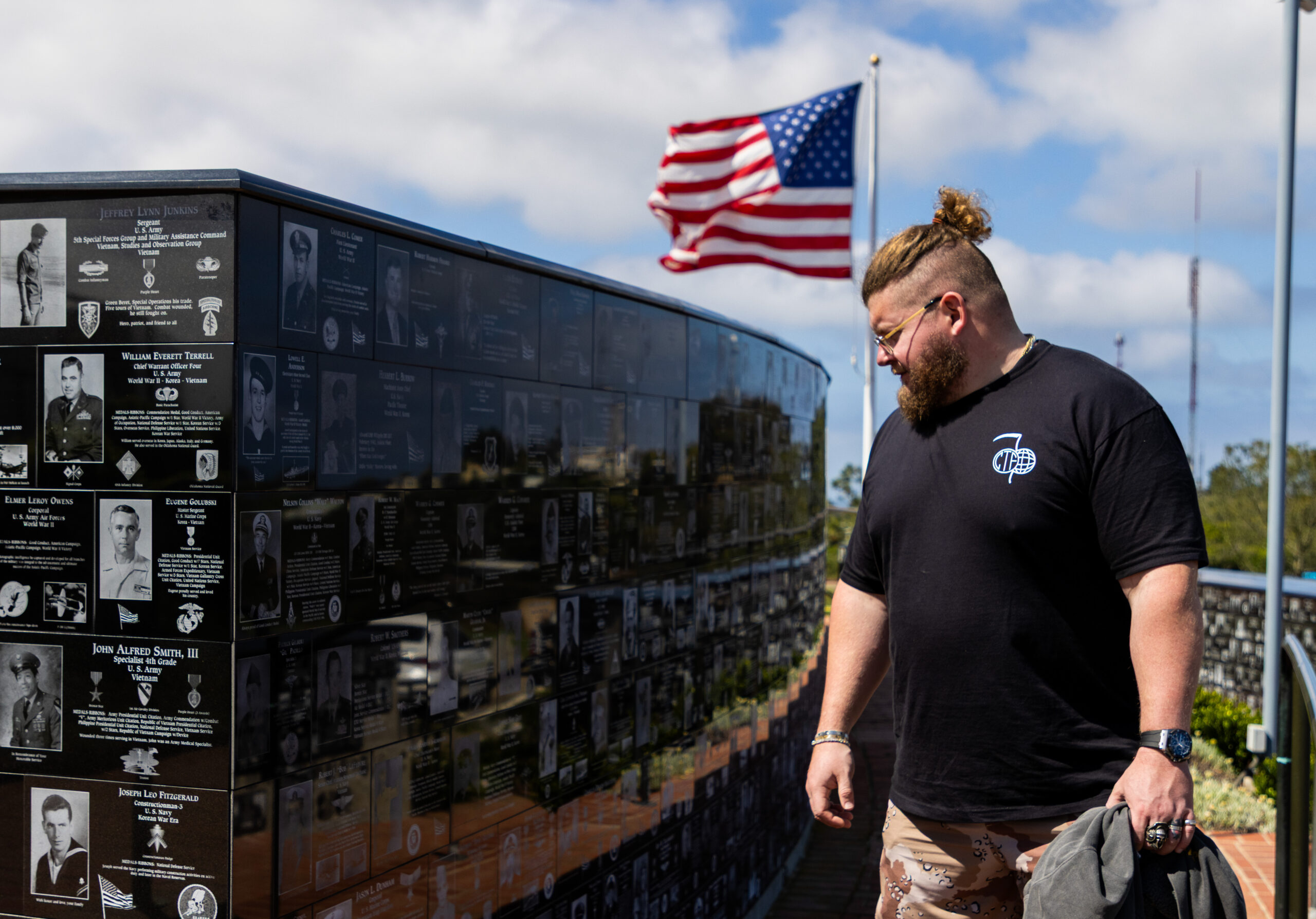
I served with the 82nd Airborne Division and deployed to Afghanistan in 2012. I came home with a Purple Heart and, eventually, with a problem I didn’t expect. I couldn’t access the VA benefits I had earned. I ended up homeless. Not because the system didn’t owe me anything, but because the system was structurally incapable of helping me get what it owed me.
That’s not a unique story. There are 19 million veterans eligible for VA benefits and only 521 federally accredited claims agents in the country. The math doesn’t work. Veterans aren’t failing the claims process. The claims process is failing veterans at intake, before VBA or VHA ever touches the file.
VetClaims.AI exists because I lived the gap. I built the company I needed when I got out. Every veteran who walks through our door is someone I recognize.
VetClaims.AI uses artificial intelligence to assist veterans with disability claims and healthcare documentation. Can you describe what the platform does and how it simplifies a process that many veterans find overwhelming?
The VA claims process fails upstream. Veterans submit claims that are undeveloped i.e. missing evidence, missing nexus, missing the regulatory alignment adjudicators need to grant the claim the first time. That triggers a denial loop: appeals, repeat C&P exams, years of waiting, and in too many cases, financial and mental health collapse.
VetClaims.AI fixes that break point. We combine trained claims specialists, the majority of them veterans themselves, with AI-assisted evidence development, medical nexus documentation, and regulation-aligned claim construction. The veteran tells us their story once. We build a fully developed, ready-to-file claim and put it in their hands.
The results from 2025: 22,000+ veterans served, over 5,800 claims processed per month, an average of 14 days from intake to ready-to-file, and claim cycles reduced from the typical 4–6 rounds down to 1.8. That is not a marginal improvement. Rather, a system change.
AI is rapidly evolving across many industries. In your view, what are the most exciting or impactful opportunities for AI to improve outcomes in veteran health, benefits, and support services?
The highest-leverage opportunity isn’t glamorous. It’s document comprehension and evidence development. A veteran’s medical record can span decades, thousands of pages, multiple branches, multiple facilities. No human can read that file end to end for every claim. AI can. Properly supervised, AI can surface the evidence that supports service connection faster and more completely than any manual review.
Beyond claims, I see real opportunity in three places. First, predictive outreach using data to identify veterans at risk of suicide, homelessness, or medical avoidance before the crisis, not after. Second, personalized care navigation. Every veteran’s path through VHA is different, and AI can match veterans to the right providers, programs, and benefits in real time. Third, provider support. Giving VA staff better tools to handle the volume without burning out. The thing to understand is that AI doesn’t replace the veteran’s story. It makes sure the story gets heard.
Many veterans face challenges with timely access to benefits and accurate documentation. Where do you see the most systemic inefficiencies or breakdowns in the current process, and how is VetClaims.AI designed to address those at scale?
The breakdown is upstream, at intake. The VA has 550,000+ pending claims and structural capacity limits that have been documented by GAO. Most claims arrive undeveloped, which guarantees rework. Rework creates backlog. Backlog delays decisions. Delayed decisions drive housing instability, medical avoidance, and, the data is clear on this, elevated suicide risk.
VetClaims.AI is built to be an upstream quality-control layer. We don’t replace the VA. We strengthen it. Clean, fully developed claims arrive at VBA ready for adjudication. VHA conducts fewer redundant C&P exams. Decisions come back in an average of 96 days instead of years. Every metric that matters moves in the right direction… for the veteran, for the VA, and for the taxpayer. We also created 250+ veteran jobs in the process. Veterans helping veterans. That’s not marketing. That is the operating model.
There are critics of paid services in the VA claims space who believe support should be entirely free. How do you respond to that perspective, particularly given the gap in outcomes many veterans experience using only free resources?
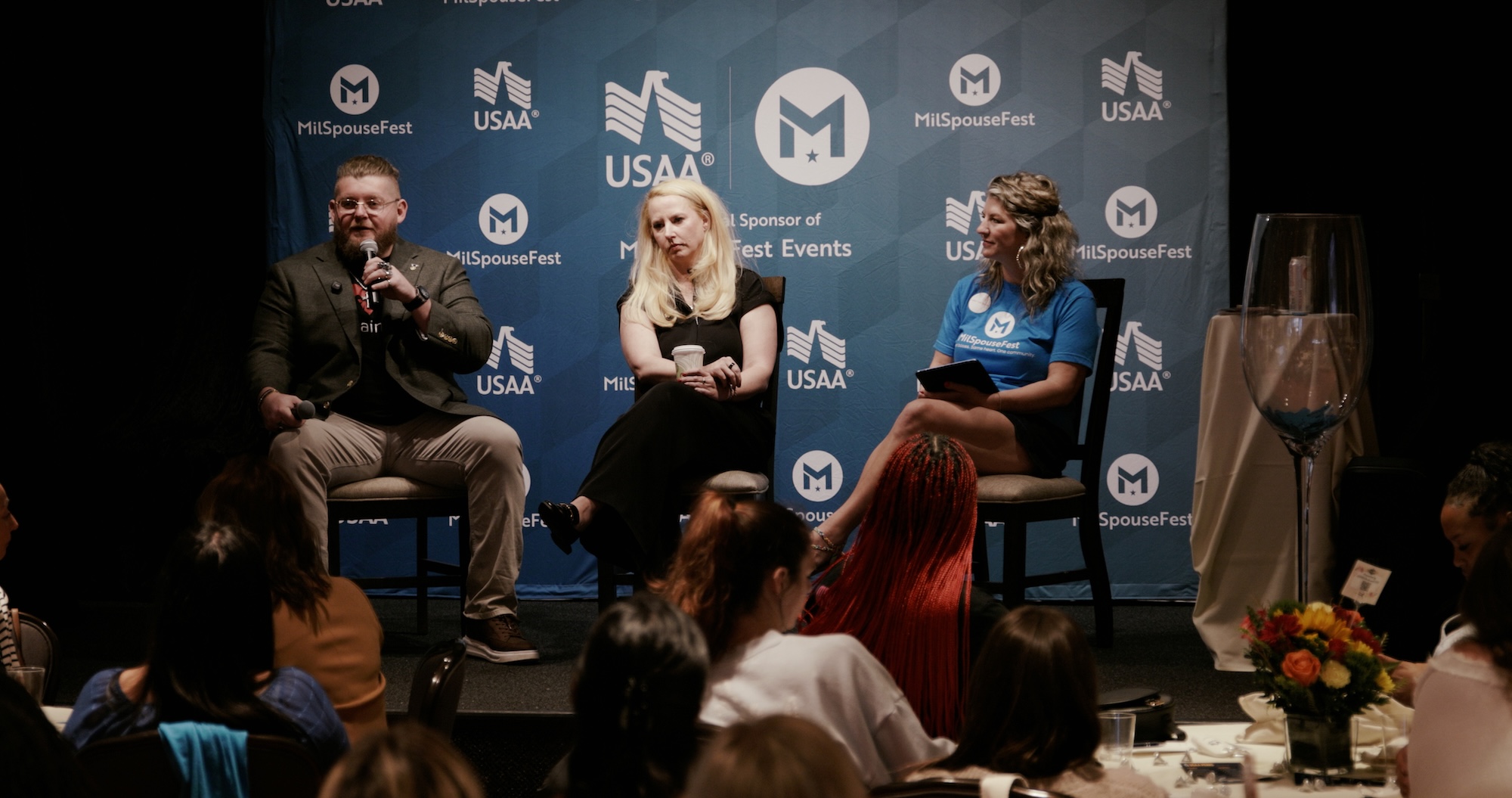
I respect free claims assistance. VSO representatives have helped generations of veterans, and they should continue to. But the data doesn’t support the claim that free services alone are meeting the need. There are 521 accredited claims agents for 19 million veterans. VSO waiting lists run months. That’s not a criticism of the people doing the work, it’s a capacity reality.
The honest framing is this: the only federal adjudicative system where claimants are expected to navigate alone is the one serving disabled veterans. Taxpayers can hire help. Immigration petitioners can hire help. Veterans are the exception. That needs to change.
The answer isn’t to ban paid help. It’s to regulate it properly. That’s why we’ve been working with Congress on the Fair Access for Veterans Act, which would create a new class of federally accredited private claims assistance organizations with flat fee caps, consumer protections, and federal oversight. No percentage-of-backpay predation. No unaccredited actors. Veterans get a regulated market of choices, free, paid, or both, with accountability across all of it. Parity, not subordination. Choice, not restriction. That’s what serves veterans.
Building at the intersection of AI, healthcare, and government systems is complex. What have been the most critical lessons in translating an initial concept into a scalable, trusted platform within such a regulated and high-stakes environment?
A few things I’ve learned the hard way. First, regulation isn’t the enemy, ambiguity is. The claims space has been damaged by unaccredited operators charging 20–30% of a veteran’s backpay with no oversight. That hurts veterans and it hurts every legitimate provider. We’ve actively advocated for stricter federal accreditation standards because a regulated market is the only sustainable market.
Second, trust is earned in the boring details. Evidence standards. Accuracy rates. Refund policies. Written agreements. Cooling-off periods. Veterans have been burned enough that they can smell a sales pitch from a mile out and rightly so. You build trust by being the company that does the paperwork right when nobody’s watching.
Third, you cannot out-engineer a broken policy environment. If the statute is wrong, the technology doesn’t save you. That’s why we’ve invested as heavily in legislative advocacy as we have in product. The mission requires both.
As innovation accelerates, how do you balance the power of automation with the human-centered nature of veteran care and support?
Every claim we file is reviewed and approved by a human claims representative before it goes to the VA. That is by design. AI handles scale. Veterans handle judgment. The mistake I see other companies make is treating veterans like tickets in a queue. A disability claim isn’t a form. It’s the story of what somebody’s body and mind carried through service. That story deserves to be heard by a person who understands it. Most of our team are veterans. They’ve lived it. They know what to ask, what to look for, and when to pick up the phone. AI is the force multiplier. The human relationship is the product.
Looking ahead, what advancements or developments do you hope to see in AI technologies that could further support veterans’ health, benefits, and quality of life?
Three things I want to see in the next five years:
Interoperability. DoD medical records, VA medical records, and private-sector records still don’t talk to each other cleanly. AI that can bridge those systems, securely, with veteran consent, would save lives. Literally. The evidence of service connection is usually already in the record; it just can’t be found.
Proactive benefit delivery. Instead of veterans chasing the VA for what they’ve earned, the VA should be delivering what the data already shows they qualify for. The Benefits Delivery at Discharge program is the right idea. It needs to be expanded, and AI-assisted claim development belongs in that pipeline at the point of separation.
Early intervention in mental health. Suicide risk signals exist in the data long before the crisis. Done right, with privacy protections and veteran consent at the center, AI can help clinicians intervene earlier. That’s the highest-stakes use case in the entire space, and it deserves our best work. The future of AI in veteran healthcare isn’t about replacing people. It’s about making sure no veteran falls through a gap again because the system couldn’t read its own records. We’re building toward that future. And we’re not slowing down.